Using and designing with Personas
Personas are used when designing instructional materials to engage learners, promote knowledge transfer and foster positive learning environments. Boller, Sharon (2017) states, “By crafting a learner persona, you can go beyond a typical audience analysis and paint a vivid picture of who you are designing a learning experience or materials for”.
A persona is a character learners can resonate with, whether in a professional or educational environment the persona is created based on a general idea of who the learners are. A persona should model the majority of the learners, and it is common to have a need for more than one persona. Torrance, Megan (2015) recommends that developing an effective personas relies on the use of generalizations; multiple personas; and a consensus about who the primary learner is. The generalizations made about the learner audience should be informed by similarities learners share such as age, education, goals, motivations, current roles, educational background, and experience. Also, Torrance (2015) explains that personas are useful with more than just the learners, they can help keep all stakeholders focused on the learning objective and help to prevent project scope creep.
Once the instructional designer identifies “who” the persona is, it important to plan how the character will be used effectively within the instructional materials. According to Pappas, Christopher (2016), a good persona is an animation that is interactive and engaging; improves knowledge retention; is entertaining; and has the ability to connect with its audience. Moreover, having these qualities are not enough, learning materials with animations should also have the ability to be available to learners on demand with the functionality to be stopped and watched as needed.
Pappas (2016) also suggests instructional designers should consider these factors when using animations: make sure that the animation conveys the right tone; focus on one character at a time; ask thought-provoking questions; use audio to create an emotional ambiance; use animations to simplify complex topics; and give learners the ability to stop and play animations at any point. The effective use of tone, multiple characters, questions, audio, simplification and on demand play create a positive learning environment where students feel comfortable engaging and interacting with the instruction.
References
Boller, S. (2018, April 09). Why Learner Personas and Learning Design Go Hand-in-Hand. Retrieved November 11, 2018, from http://www.bottomlineperformance.com/why-learner-personas-learning-design-go-hand-in-hand/
Pappas, C. (2018, March 20). 6 Tips To Use Animations In eLearning. Retrieved November 11, 2018, from https://elearningindustry.com/6-tips-use-animations-elearning
Torrance, M. (2015, September 7). Agile Learner Personas for Instructional Design. Retrieved November 11, 2018, from https://www.learningsolutionsmag.com/articles/1786/agile-learner-personas-for-instructional-design
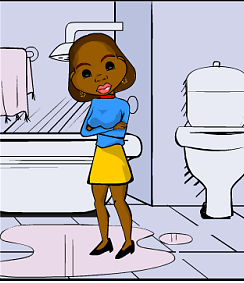
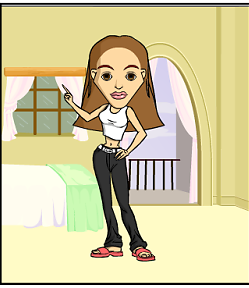
Examples of personas created by Cynthia Guillen for inspiring learners to adapt better skin care routines:

 THE Inspired | Cynthia “Cyndy” Guillen, MBA, PMP, CSM
Leave a comment